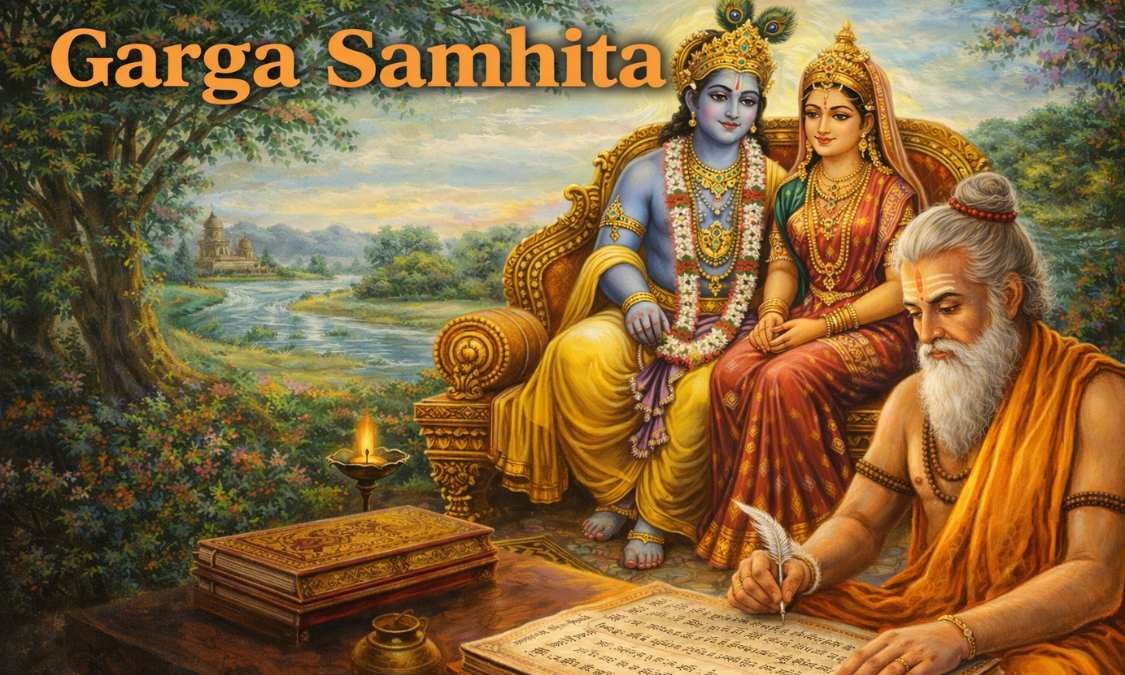
What Is Garga Samhita? Complete Guide to This Vaishnava Scripture
The Garga Samhita is one of the most revered devotional scriptures within the Vaishnava tradition, celebrated for its detailed descriptions of Lord Krishna’s divine pastimes, philosophical depth, and spiritual wisdom. For readers seeking authentic Vaishnava literature, the ISKCON Mayapur Store offers a trusted source for genuine editions and devotional books that support serious spiritual study. As interest in ancient spiritual knowledge continues to grow globally, the Garga Samhita stands out as a sacred text that preserves timeless teachings about devotion, divine love, and the eternal relationship between the soul and the Supreme.
Unlike many historical or philosophical texts, the Garga Samhita focuses deeply on bhakti — loving devotion to Krishna — making it both emotionally inspiring and spiritually transformative. It reveals Krishna not merely as a divine figure but as the ultimate source of joy, compassion, and cosmic harmony. This complete guide explores the origin, structure, philosophy, themes, importance, and modern relevance of the Garga Samhita in a clear, comprehensive manner suitable for scholars, devotees, and spiritual beginners alike.
Introduction to Garga Samhita
The Garga Samhita is an ancient Vaishnava scripture attributed to Sage Garga Muni, a respected Vedic seer and the family priest of the Yadu dynasty. He is famously known for performing the naming ceremony of Lord Krishna and foretelling Krishna’s divine mission. The scripture preserves divine narratives that illuminate the transcendental nature of Krishna and His eternal associates.
The text is not merely a historical record; it is a spiritual revelation that seeks to awaken divine love within the heart of the reader. It presents devotion as the highest path to liberation and inner fulfillment.
Meaning of the Name “Garga Samhita”
The word “Garga” refers to Sage Garga Muni, while “Samhita” means a systematic compilation or collection of sacred teachings. Together, Garga Samhita means “The sacred compilation of Garga Muni’s divine teachings and revelations.”
This name reflects the authoritative nature of the scripture and its emphasis on preserving authentic spiritual wisdom through disciplined oral and written tradition.
Historical Background and Authorship
Who Was Sage Garga Muni?
Sage Garga Muni was a revered Brahmin sage, astrologer, and spiritual advisor to the Yadu dynasty. His spiritual authority is acknowledged in multiple Vedic texts. His foresight regarding Krishna’s incarnation and divine mission highlights his elevated spiritual realization.
Transmission of the Text
The Garga Samhita was preserved through oral tradition before being compiled into written form. Over centuries, Vaishnava scholars safeguarded its teachings through careful recitation and commentary.
Place of Garga Samhita in Vaishnava Literature
The Garga Samhita holds a special position alongside other important Vaishnava texts such as the Bhagavata Purana, Brahma Samhita, and Narada Bhakti Sutra. It complements these scriptures by elaborating on Krishna’s intimate pastimes and divine moods.
Structure of the Garga Samhita
The scripture is divided into multiple khandas (sections) and chapters, each focusing on specific themes such as divine incarnations, cosmic creation, spiritual disciplines, devotional practices, and transcendental pastimes.
Major Sections
- Brahma Khanda – Creation and cosmic intelligence
- Mathura Khanda – Krishna’s early pastimes
- Vrindavana Khanda – Divine love and spiritual intimacy
- Dvaraka Khanda – Royal pastimes and divine governance
Each section deepens the reader’s understanding of divine consciousness.
Central Themes of Garga Samhita
Supremacy of Lord Krishna
Krishna is presented as the original Supreme Personality, beyond material limitations.
Power of Bhakti Yoga
Devotion is the direct path to spiritual realization.
Divine Pastimes
Narratives reveal spiritual emotions and divine relationships.
Soul’s Eternal Nature
Every being is eternal and spiritually conscious.
Mercy and Compassion
God responds to sincere devotion.
Philosophical Teachings
The Garga Samhita explains metaphysical principles including:
- Nature of absolute reality
- Illusion versus truth
- Karma and liberation
- Devotional surrender
Spiritual Practices Recommended
- Chanting divine names
- Hearing sacred stories
- Worship and service
- Meditation on divine form
- Association with devotees
Literary Style and Storytelling
The text uses poetic language, symbolic imagery, and devotional dialogues to engage the heart and intellect.
Connection with Krishna Bhakti Tradition
Vaishnava acharyas have praised the Garga Samhita for its devotional depth.
Modern Relevance
In today’s world, the text offers emotional balance, ethical guidance, and spiritual clarity.
How to Study Garga Samhita
- Read with humility
- Use authentic translations
- Reflect daily
- Apply principles
- Join discussions
Misconceptions
- It is mythological only – false
- It is outdated – false
- It is only for monks – false
Benefits of Reading Garga Samhita
- Inner peace
- Spiritual clarity
- Emotional strength
- Moral guidance
- Devotional growth
Difference Between Garga Samhita and Srimad Bhagavatam
Bhagavatam provides universal theology; Garga Samhita emphasizes intimate Krishna pastimes.
Role in ISKCON and Global Vaishnavism
ISKCON promotes its study for devotional depth.
Preservation and Translation
Modern publishing ensures global accessibility.
Conclusion
The Garga Samhita is a spiritual jewel illuminating the path of divine love and self-realization.
FAQ – Garga Samhita
1. What is Garga Samhita?
Garga Samhita is an ancient Vaishnava scripture attributed to Sage Garga Muni that describes the divine pastimes, philosophy, and devotional teachings of Lord Krishna. It emphasizes bhakti (pure devotion) as the highest spiritual path.
2. Who wrote the Garga Samhita?
The Garga Samhita is traditionally associated with Sage Garga Muni, a respected Vedic seer and spiritual guide of the Yadu dynasty. His teachings were preserved through oral tradition and later compiled into written form.
3. What is the main message of Garga Samhita?
The main message of Garga Samhita is that loving devotion to Lord Krishna leads to spiritual liberation, inner peace, and eternal happiness. It teaches surrender, humility, and divine service.
4. Is Garga Samhita part of the Vedas or Puranas?
Garga Samhita is categorized within the broader Puranic and Vaishnava devotional literature. It complements texts like Srimad Bhagavatam by expanding on Krishna’s divine pastimes.
5. What topics are covered in Garga Samhita?
The scripture covers Krishna’s childhood and youth pastimes, cosmic creation, devotional practices, divine incarnations, spiritual philosophy, and the eternal nature of the soul.
6. Why is Garga Samhita important in Vaishnavism?
Garga Samhita strengthens Krishna bhakti by revealing intimate devotional moods, reinforcing surrender, and guiding devotees toward deeper spiritual realization.
7. Can beginners read Garga Samhita?
Yes, beginners can read Garga Samhita with the help of translations and commentaries. Starting slowly and focusing on devotion makes understanding easier.
8. How is Garga Samhita different from Srimad Bhagavatam?
Srimad Bhagavatam presents broad theological teachings, while Garga Samhita focuses more deeply on intimate Krishna pastimes and devotional emotions.
9. What are the spiritual benefits of reading Garga Samhita?
Reading Garga Samhita helps develop devotion, mental peace, moral clarity, spiritual discipline, and a deeper connection with Krishna.
10. Where can authentic editions of Garga Samhita be found?
Authentic editions are available through trusted Vaishnava publishers and spiritual bookstores that specialize in devotional literature.