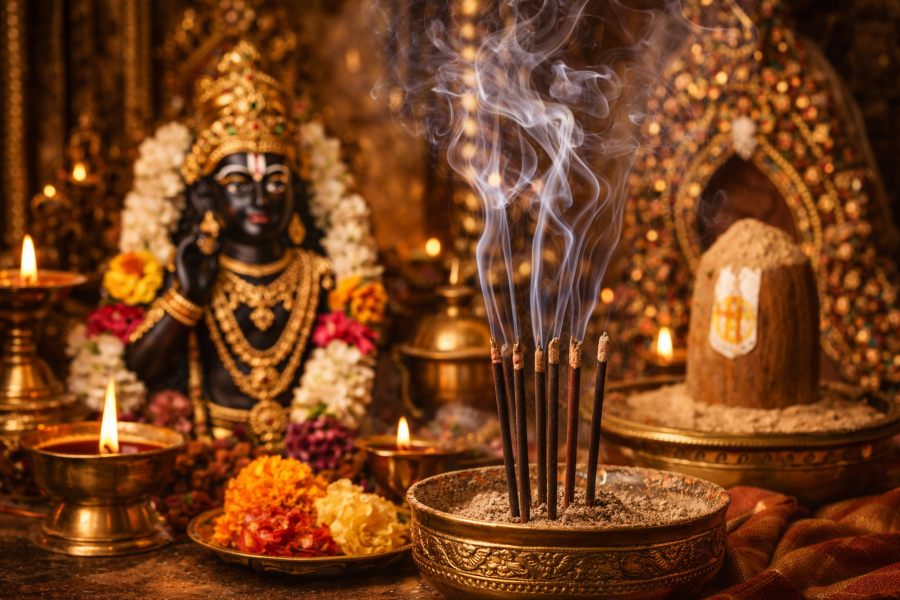
History of Incense in Hindu Rituals and Meditation
From the earliest Vedic ceremonies to modern meditation rooms, incense has remained a sacred bridge between the physical and spiritual worlds. The gentle fragrance rising with smoke symbolizes prayer ascending toward higher consciousness. In Hindu tradition, incense is not merely a sensory pleasure—it is a ritual tool that purifies the environment, calms the mind, and prepares the soul for divine connection. Those seeking deeper insight into sacred fragrances often explore a trusted Spiritual incense resource to understand authentic ingredients, traditional preparation, and devotional applications. As we journey through history, we discover how incense evolved from ancient fire offerings into a refined spiritual discipline supporting meditation, devotion, and inner transformation.
The Origins of Incense in Early Vedic Civilization
The history of incense in Hindu practice begins in the Vedic era, when fire rituals (yajnas) formed the heart of spiritual life. The sacred fire, Agni, was regarded as the messenger between humans and the divine realms. Herbs, resins, aromatic woods, ghee, and grains were offered into the flames, releasing fragrant smoke believed to carry prayers upward.
These early offerings were the primitive form of incense. Aromatic substances such as sandalwood, frankincense-like resins, dried flowers, and medicinal herbs were chosen for their purifying properties. The fragrance was not decorative; it symbolized transformation, surrender, and spiritual elevation.
Vedic sages understood that aroma influences consciousness. Pleasant fragrance helped create a calm mental state, supporting mantra chanting and focused awareness during rituals. Over centuries, this practice gradually evolved into standalone incense sticks and powders used beyond fire altars.
Symbolism of Fragrance in Hindu Spiritual Thought
In Hindu philosophy, fragrance represents subtle purity and divine presence. Unlike visible objects, aroma is invisible yet powerful, reminding practitioners of unseen spiritual realities. Just as fragrance spreads silently through space, divine consciousness permeates existence.
Incense smoke rising upward symbolizes aspiration toward higher truth, liberation from ego, and the soul’s journey toward enlightenment. The lingering scent after incense burns mirrors spiritual impressions that remain even after rituals conclude.
Fragrance also represents sattva guna—purity, harmony, and clarity. When incense fills a temple or meditation room, it cultivates an atmosphere conducive to prayer, humility, and inner peace.
Development of Incense in Temple Worship
As Hindu temple culture developed, incense became central to daily worship. Priests began using prepared aromatic blends rather than raw herbs. These blends were shaped into powders, cones, and eventually sticks for consistent burning.
In temples, incense serves multiple purposes:
- Purifying the sanctum
- Invoking divine presence
- Offering sensory devotion
- Creating sacred ambience for devotees
The rhythmic waving of incense before deities during arati symbolizes surrender of sensory pleasures to divine consciousness. Devotees inhale the fragrance as prasadam, receiving spiritual blessing through sensory experience.
Different temples adopted region-specific incense formulas using local herbs, woods, and flowers, preserving biodiversity and cultural diversity.
Incense in Classical Hindu Scriptures
Several Hindu texts indirectly highlight the sacred value of fragrance and incense. The Puranas describe divine abodes filled with celestial aromas. Devotional literature often references fragrant offerings as expressions of love and reverence.
Ayurvedic texts document the medicinal and calming effects of aromatic substances such as sandalwood, camphor, vetiver, and herbs used in incense. These texts emphasize balance of mind and body through sensory harmony.
Tantric traditions also incorporate incense in mantra activation and yantra consecration, believing fragrance stabilizes subtle vibrations and amplifies spiritual intention.
Evolution of Incense Forms Through History
Powdered Incense
Initially, aromatic powders were sprinkled into fire rituals or burned on charcoal. These powders allowed precise control over fragrance intensity and herbal composition.
Resin and Wood Chips
Resins and wood chips offered long-lasting fragrance and were often reserved for special ceremonies and royal rituals.
Incense Sticks (Agarbatti)
With increased domestic worship, incense sticks became popular for convenience, consistent burning, and portability. Bamboo cores coated with aromatic paste allowed households to maintain daily ritual consistency.
Cones and Dhoop
Cone incense and dhoop sticks provided stronger fragrance for large spaces and temple halls.
Each evolution reflected practical adaptation while preserving spiritual intent.
Role of Incense in Meditation Practices
Meditation requires mental stability, sensory harmony, and emotional calm. Incense supports all three.
The gentle aroma:
- Reduces mental agitation
- Anchors awareness in the present moment
- Creates ritual discipline
- Enhances breath awareness
Over time, the mind associates fragrance with stillness and introspection, making it easier to enter meditative states. Many yogic traditions use specific scents to stimulate relaxation or alertness depending on the meditation objective.
Incense and the Subtle Energy System
Yogic philosophy teaches that humans possess subtle energy channels and chakras influencing consciousness. Aroma directly interacts with the nervous system and pranic flow.
Certain fragrances are believed to:
- Calm excessive mental activity
- Balance emotional instability
- Enhance intuition and clarity
- Ground scattered energy
Incense thus becomes a tool for energetic alignment, not merely environmental fragrance.
Regional Traditions of Incense in India
South India
Temples favor sandalwood-based incense and herbal blends suited for warm climates. Strong purification rituals use dhoop during festivals.
North India
Floral incense and resin blends dominate temple worship, reflecting regional flora.
Eastern India
Temples often use mild floral-herbal incense for devotional chanting and extended kirtan sessions.
Western India
Spice-infused incense reflects local botanical availability and cultural preferences.
Each region preserves unique aromatic heritage.
Cultural Role of Incense in Household Worship
Beyond temples, incense became integral to daily home puja. Lighting incense marks the transition from mundane activity to sacred awareness.
Households use incense to:
- Purify living spaces
- Establish routine devotion
- Encourage family spiritual bonding
- Maintain emotional calmness
Children grow up associating fragrance with prayer, embedding spiritual memory into consciousness.
Psychological Influence of Incense Aroma
Modern science supports ancient wisdom regarding fragrance impact on the brain. Aromas influence the limbic system responsible for emotion, memory, and behavior.
Incense fragrance:
- Reduces stress hormones
- Enhances mood stability
- Improves concentration
- Strengthens emotional regulation
These psychological effects directly support spiritual focus and consistency.
Distinction Between Natural and Synthetic Incense
Traditional incense relied exclusively on natural materials: woods, resins, herbs, flowers, and essential oils. These ingredients harmonize gently with human biology.
Synthetic incense may produce strong scent but lacks subtle energetic harmony and may cause respiratory irritation.
Authentic incense preserves spiritual integrity and long-term health benefits.
Incense in Bhakti Traditions
Bhakti movements emphasize loving devotion expressed through sensory offerings. Incense symbolizes surrender of fragrance to the divine.
Devotees often select incense based on deity preference, seasonal energy, and emotional resonance.
The act of offering incense cultivates humility, gratitude, and surrender.
Incense in Yoga and Contemporary Spiritual Practices
Modern yoga studios incorporate incense to create calm atmosphere for breathwork, mindfulness, and relaxation. Traditional fragrances help preserve authenticity and lineage continuity.
Meditation retreats often use mild incense to support extended silent practice.
Sustainability and Ethical Sourcing
With growing environmental awareness, sustainable sourcing of aromatic woods and herbs has become essential. Responsible harvesting protects biodiversity and sacred resources.
Ethical sourcing aligns spiritual practice with ecological responsibility.
Incense as a Bridge Between Body, Mind, and Spirit
Incense operates simultaneously on physical, emotional, mental, and spiritual levels:
- Physical: Purifies air and senses
- Emotional: Stabilizes mood
- Mental: Enhances focus
- Spiritual: Elevates consciousness
This multidimensional impact explains its enduring relevance.
Preservation of Incense Craftsmanship
Traditional incense-making involves skilled blending, drying, and aging processes passed through generations. Supporting authentic artisans preserves cultural heritage and spiritual authenticity.
Modern Revival of Traditional Incense
As people seek natural wellness and spiritual depth, traditional incense is regaining popularity. Conscious consumers value purity, sustainability, and ritual integrity.
This revival reconnects modern seekers with ancient wisdom.
Choosing Incense for Spiritual Practice
Select incense with:
- Natural aroma
- Mild, balanced fragrance
- Clean burn
- Ethical sourcing
Avoid overpowering chemical scents.
Incense as Daily Spiritual Discipline
Lighting incense daily cultivates mindfulness, gratitude, and spiritual routine. Small rituals reinforce inner stability and emotional balance.
Consistency transforms spiritual intention into lifestyle.
Scientific Validation of Aromatic Influence
Neuroscience confirms scent memory association and emotional regulation benefits. Incense influences brainwave patterns and nervous system balance.
Science supports ancient spiritual practices.
Incense in Interfaith Spiritual Heritage
Beyond Hinduism, incense appears in Buddhist, Taoist, Christian, and Islamic mystical traditions, reflecting universal recognition of fragrance as sacred medium.
Conclusion: The Timeless Spiritual Legacy of Incense
The history of incense in Hindu rituals and meditation reveals a profound integration of sensory science, spiritual symbolism, cultural continuity, and psychological wisdom. From Vedic fire offerings to modern meditation halls, incense continues to purify spaces, stabilize minds, and elevate consciousness.
Its fragrance silently carries devotion, intention, and reverence across generations. Preserving authentic incense practices protects not only cultural heritage but the living spiritual science that nurtures inner peace, clarity, and divine connection in an increasingly complex world.